
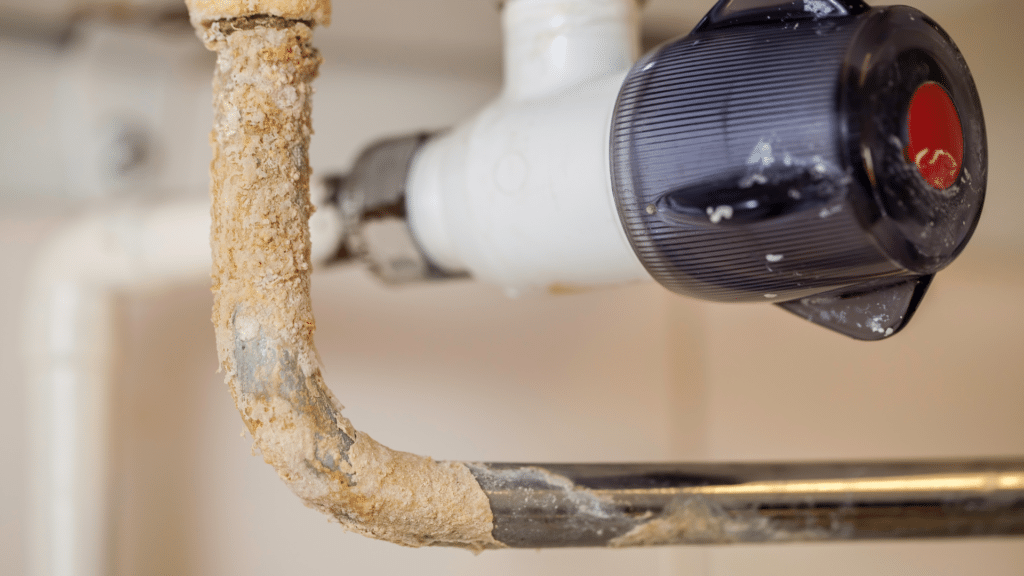
The most visible sign of hard water is limescale, that white, crusty buildup you see around faucets, showerheads and drains. It looks like a cosmetic issue, but it’s actually telling you something important about what’s happening inside your pipes where you can’t see it.
Over time, mineral scale accumulates on the interior walls of your pipes, gradually narrowing the passage for water flow. This buildup increases pressure on your plumbing system and can contribute to leaks, corrosion and premature pipe failure. The older your home’s plumbing, the more vulnerable it is to this kind of long-term wear.
If your home is heated by a boiler, hard water creates an additional layer of concern. Mineral scale builds up throughout your entire hydronic heating system, including the boiler itself, the pipes, radiators and any in-floor radiant tubing. This buildup reduces heat transfer efficiency, forces your boiler to work harder and can significantly shorten the life of the system. For boiler-heated homes in Southern Colorado, addressing hard water is not just a comfort upgrade. It is an important part of protecting one of the most significant investments in your home.
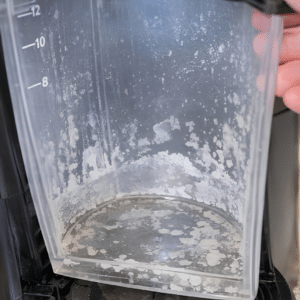
This is where hard water really starts to cost homeowners money. Every appliance in your home that uses water is affected, including your water heater, dishwasher, washing machine and refrigerator ice maker.
Your water heater takes the biggest hit. Mineral scale settles at the bottom of the tank and coats the heating elements, forcing the system to use more energy to heat the same amount of water. Studies have shown that a water heater operating in a hard water environment can lose significant efficiency over time and may need to be replaced years earlier than it otherwise would.
Your dishwasher and washing machine suffer similarly. Scale buildup clogs internal components, reduces performance and shortens the life of the appliance. You may also notice that dishes come out with spots and film, and that laundry looks dull or feels stiff even after washing.

Beyond the plumbing and appliances, hard water affects your daily comfort in ways you might not connect to your water supply.
Hard water interferes with soap and shampoo, making it harder to lather and rinse completely clean. That leftover residue on your skin can cause dryness and irritation. The same goes for your hair, which can feel weighed down, brittle or harder to manage. Many Southern Colorado residents spend money on specialty products trying to solve problems that are actually being caused by their water.
The good news is that hard water is a solvable problem. There are several effective options depending on your home, your budget and your goals.
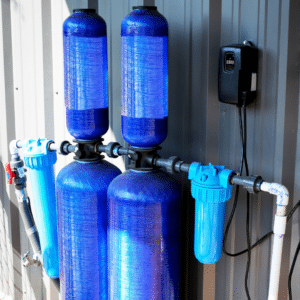
A whole home water softener is the most comprehensive solution. It treats water as it enters your home, removing the minerals that cause hardness before they ever reach your pipes, appliances or fixtures. The result is softer water throughout the entire house.
A whole home filtration system goes a step further, addressing not just hardness but a broader range of contaminants including sediment, chlorine and other chemicals that affect taste and smell.
For homeowners primarily concerned about drinking water quality, a point-of-use reverse osmosis system installed under the kitchen sink provides clean, great-tasting water right from the tap without the need to treat the entire home.
Many homeowners in Southern Colorado choose a combination of solutions, pairing a whole home softener with an under-sink RO system for the best of both worlds.