
Protect Your Well Water: Filtration and Prevention
If you rely on a domestic well for drinking water, you’ve probably wondered about the safety and the overall quality of your water! Unlike city residents, you don’t have a massive water treatment facility or consistent testing to ensure your well water is free of toxic metals, bacteria, forever chemicals or other contaminants. Like many other situations in rural living, you’re on your own.

More than 7% of Coloradans rely on domestic wells for their water supply, and most of those users do not have the option to switch to an alternative source. While rural wells are designed to keep water clean through natural filtration, the Center for Disease Control notes that one in five wells will have some sort of contamination:
- Arsenic Poisoning
- Fluorosis
- Dysentery
- Legionaire’s Disease
- Norovirus
- Giardia
- Hepatitis A
- Total Coliform Bacteria
- Lead Poisoning
- Cholera
With these types of concerns, homeowners should take great care to ensure their wells are healthy and their water supply is protected.

Beat Power Outages with Home Generators
Colorado storms are not to be taken lightly, as anyone who has lived through a multi-day blizzard or catastrophic hail storm can tell you. And when disaster strikes, it sometimes hits the power supply. Blizzards, high winds, fallen trees, hail, lightning, fire — these common factors can take out the power for hours or even days. The more isolated you are, the longer it can take to receive service when the power goes out, leaving rural homeowners struggling to keep their refrigerators cold and their well pumps running without the use of a generator.
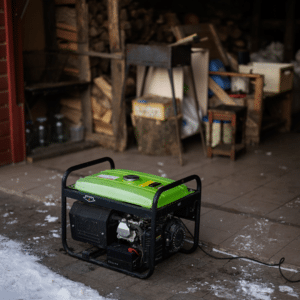 The challenge lies in finding a generator that will adequately service your home during an outage. Some homeowners use portable generators. These small, simple systems work great if you only need to power a few appliances, but they come with problems, too.Like running out of fuel in the dead of night while you’re sleeping. Becoming overpowered and shutting off. Damaging appliances. You get the idea. On top of that, they can be dangerous to operate due to their high output of carbon monoxide and their use of gasoline to operate. If you don’t want the hassle, there is a safer, more efficient and far more convenient option — a whole-house generator.
Whole-house generators are powerful systems that wait on standby to kick in when your power shuts down. They are typically wired into your home and powered by your home’s natural gas or propane supply. That really takes the hassle out of operating a generator, no mixing the perfect blend of gasoline and oil (for those older two-stroke generators folks still keep around), and no storing flammables in large quantities in your garage.
Benefits of a Whole-Home Generator
- Keep your HVAC system running — Protect your pipes from freezing and stay warm in the winter and cool in the summer, no matter what the weather does.
- Protect your food supply — Groceries are expensive. Keep freezers and refrigerators running so your food stays cold and you don’t lose a freezer full of meat in 48 hours.
- Power medical equipment — If you rely on CPAP, oxygen or other devices to protect your health, whole-home generators ensure you won’t have to find alternative arrangements.
- Convenience — Using the internet, watching TV, cooking a nice meal — these are the conveniences we miss the most when the power is out. A whole-home generator will also ensure you can weather the weather without sacrificing your comfort.
Find more helpful home emergency tips here: Winter Home Emergencies
Generators are not just useful for emergencies and comfort when you’re home, either. The fact that they are a standby system that triggers automatically can be very, very useful when you’re gone, too. Think about the horror stories you’ve heard from friends and neighbors about frozen pipes and subsequent flooding because their power shut off while they were out of town during a cold snap. Or the people who returned from summer vacation to find an entire fridge of rotting food perfuming their home. What a welcome back that would be! Whole-home systems prevent these nasty surprises.
Control Costs: Manage Your Maintenance Expenses
One of the key challenges of country living is the hidden cost of living far away from services. Home services companies typically charge a travel fee for locations that are outside the city limits. And for most rural residents, those distances — and fees — can be significant. However, we’ve seen some great ways for customers to control costs and mitigate the extra expenses that come with living off the beaten path.
Team Up with Your Neighbors
This is one of the most consistent ways we see rural customers control the higher cost of long-distance service. Neighbors get together and pick a day for the services they need, be it furnace inspections, fixing leaky pipes or upgrading the water heater. We’ve visited communities and serviced multiple homes in a day, with customers splitting the travel fees to mitigate costs. If you know you need to call in the plumber or the HVAC technician, why not reach out to your neighbors and see if they have a call they’ve been putting off? You’ll be able to help each other save time and money!
Save Up Services
If you can’t manage to coordinate with your neighbors, you can also save up your own service calls and try to book them all in a day. For example, you could book your swamp cooler winterization and furnace inspection on the same day or have your sewer lines inspected during your water heater draining. While this won’t necessarily work for urgent emergencies, it can definitely help with routine maintenance or less urgent repairs. Link to inspections page.
Ask About Promotions/Sales
Some plumbing and HVAC companies will offer seasonal promotions or special discounts to rural customers. You may be able to get travel fees waived for large-scale projects or for combining multiple services (like those mentioned above). The main point is to ask and see what options are available to you.
Book Annual Inspections and Tune-ups
The best way to prevent the need for unexpected service calls is to keep your systems maintained. Whether you tag on to your neighbor’s upcoming appointment or book your own annual inspections, regular tune-ups reduce the number of emergency calls you’ll have to make by detecting and solving potential problems early. Would EZCare cover inspections for free/no travel fee? Link to page on furnace tune-ups
Make It Easier to Love Your Country Lifestyle
 These tips offer helpful options for making it just a little easier to live further away from the conveniences of city life. By being proactive and taking initiative, you won’t have to sacrifice safety and convenience or pay too much for help when challenges arrive. And don’t forget that Flow Right offers 24/7 emergency support — including our much loved and much appreciated rural customers.